
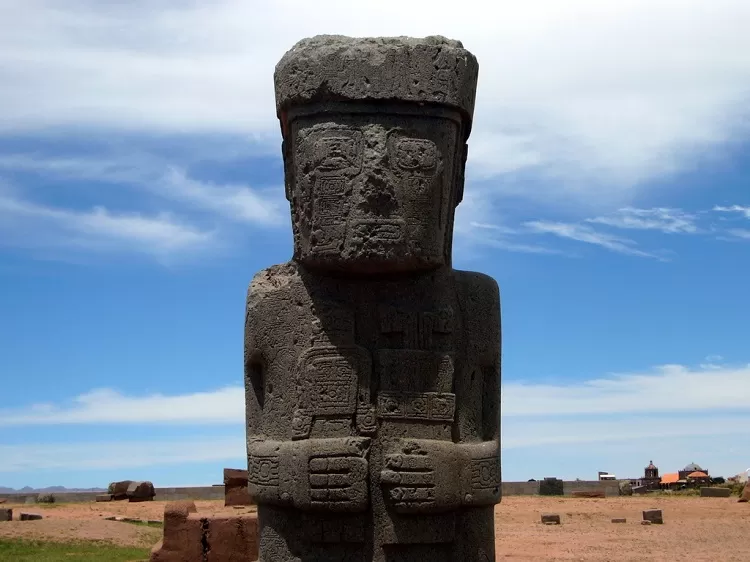

Bolivia is a country rich in history, and one of its most intriguing sites is the ancient city of Tiwanaku. Located near the southern shores of Lake Titicaca, this pre-Incan city is shrouded in mystery and is considered one of the most significant archaeological sites in South America.
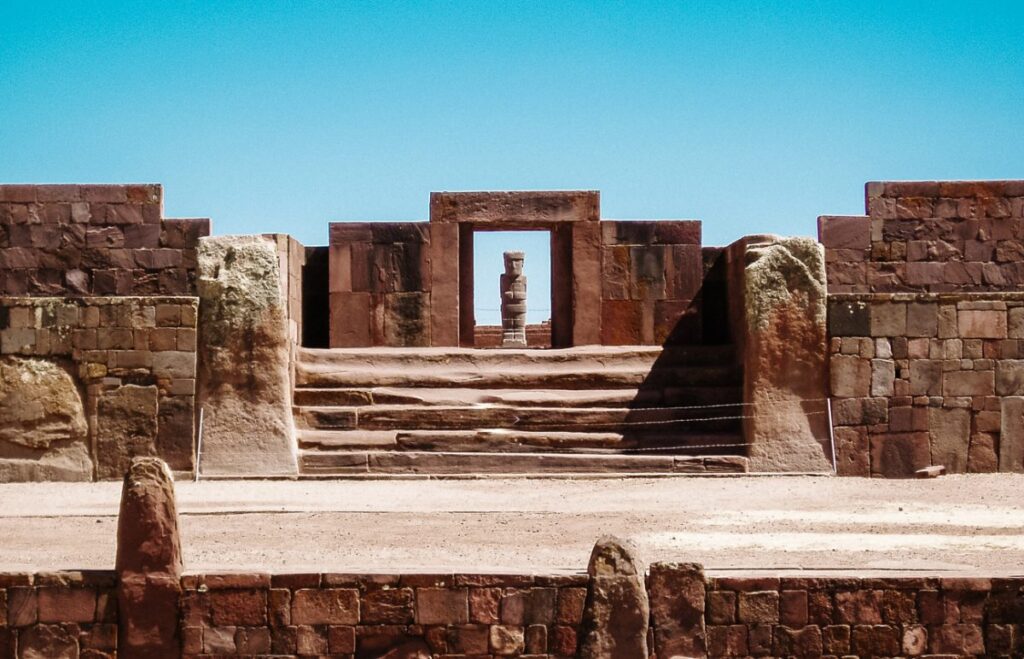
What is Tiwanaku?
Tiwanaku was the center of a powerful civilization that flourished between 300 and 1000 AD, long before the rise of the Inca Empire. This advanced society left behind monumental structures, including temples, gates, and pyramids, which still baffle researchers today. You can learn more about the significance of Tiwanaku at Ancient History Encyclopedia.
Why Visit Tiwanaku?
Tiwanaku offers an incredible glimpse into Bolivia’s ancient past and is a must-see for history lovers and curious travelers alike. Here’s why you should visit:
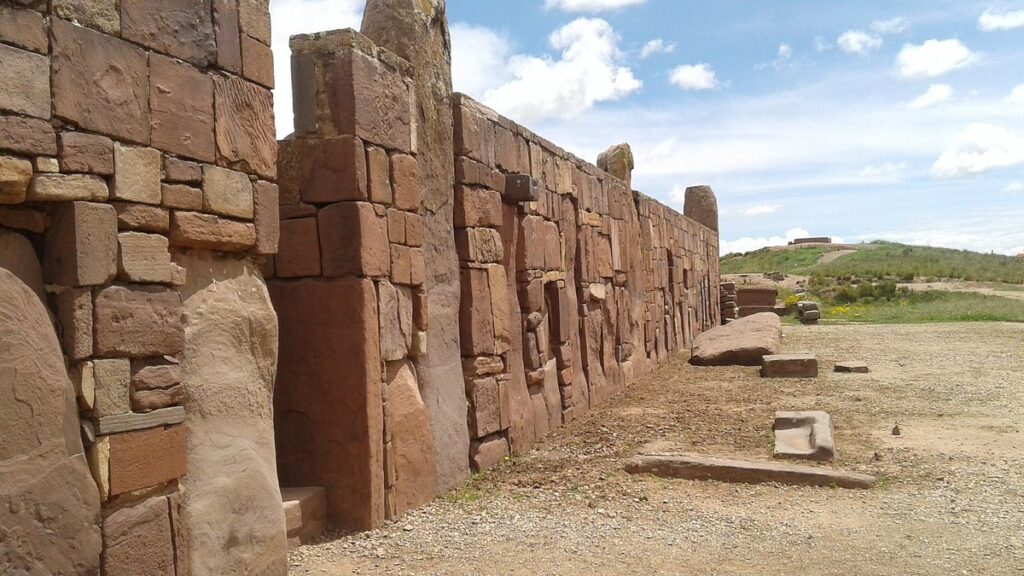
- Archaeological Significance: Tiwanaku is a UNESCO World Heritage site and provides valuable insights into one of the earliest urban societies in the Americas. The city’s impressive stonework and engineering techniques are evidence of the advanced knowledge possessed by this civilization.
- Mysterious Monoliths: Tiwanaku is famous for its giant stone structures, some weighing over 100 tons. How they were transported and erected remains a mystery, sparking endless fascination among archaeologists and visitors.
Explore more about this site’s fascinating history on UNESCO’s official page.
Key Attractions
Tiwanaku is filled with unique archaeological sites and monumental structures that leave visitors in awe. Here are some key highlights:
1. The Gateway of the Sun
One of the most iconic structures in Tiwanaku is the Gateway of the Sun. This massive stone archway is intricately carved with celestial symbols, and many believe it holds astrological or spiritual significance. Some researchers have suggested that it may have functioned as a calendar, aligned with astronomical events.
2. The Akapana Pyramid
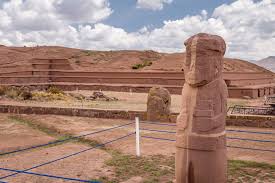
The Akapana Pyramid is a stepped structure that once served as a center for religious ceremonies. Though partially eroded, it remains one of the largest structures at Tiwanaku, showcasing the advanced architectural techniques of the civilization.
3. Pumapunku
Perhaps the most enigmatic site at Tiwanaku is Pumapunku, a temple complex that has confounded experts due to the precision of its stonework. The massive stone blocks fit together so perfectly that not even a piece of paper can fit between them. This has led some to speculate about the technological capabilities of the Tiwanaku people.
For more detailed information on Tiwanaku’s structures, visit Smithsonian Magazine.
When to Visit Tiwanaku
The best time to visit Tiwanaku is during the dry season, from May to October, when the weather is pleasant and rain is less likely to affect your trip. During this period, you’ll have clear skies and cooler temperatures, perfect for exploring the ancient ruins.
Additionally, visiting Tiwanaku during the Winter Solstice (June 21) is a special experience, as many people gather at the site to witness the sunrise aligning with the Gateway of the Sun, an event that holds cultural and spiritual significance.
Check out weather updates and travel tips at AccuWeather.
Tips for Visiting
- Plan a Guided Tour: While Tiwanaku is an amazing place to explore on your own, a guided tour will provide you with deeper insights into the site’s history and its cultural significance.
- Bring Sunscreen and Water: Tiwanaku sits at an altitude of about 3,850 meters (12,600 feet), so the sun is intense, and it’s easy to become dehydrated.
- Dress Warmly: The high altitude means the weather can be chilly, especially in the early morning and late afternoon, so be sure to pack layers.
Conclusion
Visiting this amazing place is like stepping back in time to an era of incredible achievements and mysteries that have yet to be fully explained. Whether you’re drawn to the grandeur of the ancient structures or the intrigue surrounding their origins, this archaeological marvel is a testament to Bolivia’s rich and complex history.

 English