


Exploring the mystical wonders of Ecuador’s Ingapirca Ruins offers a captivating journey into the ancient history and cultural heritage of the region. Nestled amidst the breathtaking Andean landscape, these ruins stand as a testament to the ingenuity and architectural prowess of the Inca civilization. As you venture through the stone structures and terraces, you’ll be transported back in time to an era of great significance, where rituals, ceremonies, and daily life unfolded against the backdrop of majestic mountains.
In our comprehensive guide to the Ingapirca Ruins, discover the fascinating stories behind these ancient archaeological remains. Learn about the strategic significance of Ingapirca as a religious and administrative center, and delve into the architectural features that reflect the Inca’s deep connection with nature and celestial phenomena. From the iconic Temple of the Sun to the intricate stonework of the elliptical plaza, each aspect of the site holds clues to unraveling the mysteries of the past. Whether you’re a history enthusiast, an adventure seeker, or a curious traveler, exploring the Ingapirca Ruins promises an enriching experience filled with wonder and discovery.
Features of the Ingapirca Ruins
Nestled amidst the majestic Andean landscape of Ecuador lies the historic Ingapirca Ruins, a testament to the ancient Inca civilization’s architectural prowess and cultural significance. As you embark on a journey through these revered ruins, you’ll be immersed in a world where history comes to life, offering a glimpse into the rich tapestry of Andean heritage.
Key features of the Ingapirca Ruins include:
- Temple of the Sun: A focal point of religious worship and celestial observation, this iconic structure reflects the Inca’s deep reverence for the sun deity.
- Elliptical Plaza: An architectural marvel characterized by precision stonework, the plaza served as a ceremonial space for gatherings and rituals.
- Astronomical Observatory: Positioned strategically to align with celestial events, the observatory highlights the Inca’s advanced knowledge of astronomy and cosmology.
- Residential Quarters: Explore the remnants of ancient dwellings, providing insight into the daily lives and social organization of Inca society.
- Ritual Baths: Discover the significance of water in Inca spirituality as you observe the intricate channels and reservoirs used for ceremonial purification.
- Interpretive Center: Enhance your understanding of the site’s history and significance through informative exhibits and displays showcasing artifacts and archaeological findings.
Uncover the mysteries of the past and delve into the fascinating world of the Inca civilization as you explore the captivating Ingapirca Ruins.
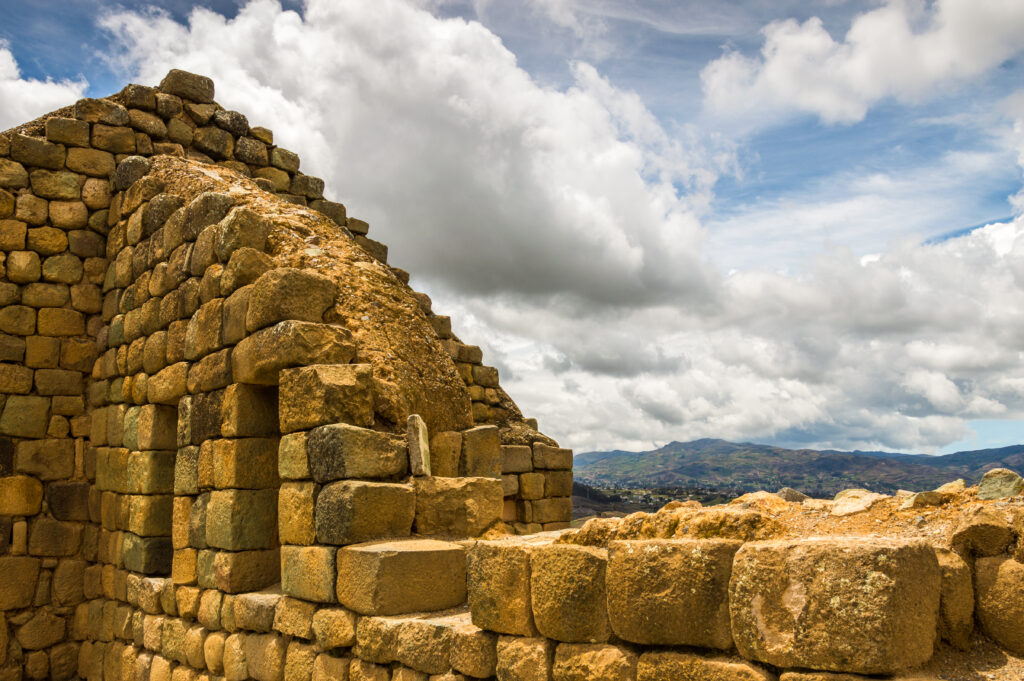
Exploring the Ingapirca Ruins: Everything You Need to Know
Nestled in the Ecuadorian Andes, the Ingapirca Ruins stand as a testament to the rich history and architectural prowess of the Inca civilization. Visiting this archaeological site promises a journey back in time, offering insights into ancient Inca culture and engineering marvels. To embark on this adventure, travelers should consider several key factors:
- Access and Transportation: The Ingapirca Ruins are accessible by road from major cities like Cuenca and Quito. Travelers can opt for guided tours or self-drive options, with the journey offering scenic views of the Andean landscape.
- Entrance Fees and Hours: Upon arrival, visitors are required to pay an entrance fee, which may vary for foreigners and locals. The site is typically open during daylight hours, allowing ample time for exploration and photography.
- Guided Tours: Engaging a knowledgeable guide can enhance the experience, providing historical context and cultural insights into the significance of the ruins. Guided tours often delve into the architectural features, religious practices, and daily life of the Inca people.
- Hiking and Nature Trails: Surrounding the ruins are hiking trails that offer panoramic views of the Andean countryside. Nature enthusiasts can explore the lush landscape, spotting native flora and fauna along the way.
- Cultural Experiences: Beyond the archaeological site, visitors can immerse themselves in indigenous culture by interacting with local communities and artisans. Traditional craft demonstrations and cultural performances provide a deeper appreciation for Ecuador’s rich heritage.
- Embarking on an Inca Trek or Full-Day Adventure: Embarking on an Inca Trek or full-day adventure to the Ingapirca Ruins offers a comprehensive exploration of this ancient site. Whether hiking along historic trails, marveling at architectural wonders, or engaging with local communities, visitors are guaranteed an unforgettable journey through Ecuador’s cultural and historical tapestry.
Prices and Requirements
The entrance fee for Ingapirca varies depending on whether you are a national or international visitor.
- For Ecuadorian visitors: the entrance fee is typically around $3 to USD 4.
- For international visitors: it can range from $6 to USD 8. These prices are subject to change, so it’s advisable to check with the official website or local tourism offices for the most up-to-date information.
Visitors to the entrance of the Ingapirca ruins are typically required to adhere to certain guidelines and regulations to ensure the preservation of the site and the safety of all visitors. Some common requirements may include:
- Entrance Fee: Visitors may be required to pay an entrance fee to access the Ingapirca ruins. The fee amount may vary for nationals and international visitors.
- Opening Hours: The site may have specific opening hours during which visitors are allowed to enter. It’s important to check the operating hours in advance to plan your visit accordingly.
- Guided Tours: Some sites may require visitors to join guided tours led by trained professionals. This helps ensure that visitors receive accurate information about the site’s history, significance, and preservation efforts.
- Respectful Behavior: Visitors are expected to behave respectfully towards the archaeological site, its structures, and other visitors. This includes refraining from littering, damaging or defacing the ruins, and engaging in disruptive behavior.
- Photography Restrictions: Certain areas of the site may have restrictions on photography to prevent damage to fragile structures or artifacts. Visitors should adhere to any signage or instructions regarding photography.
- Safety Precautions: Visitors should follow any safety guidelines provided by site staff, such as staying on designated paths, avoiding restricted areas, and wearing appropriate footwear for walking on uneven terrain.
- Conservation Efforts: Visitors may be encouraged to support conservation efforts by not removing any artifacts or objects from the site and by respecting any preservation measures in place.
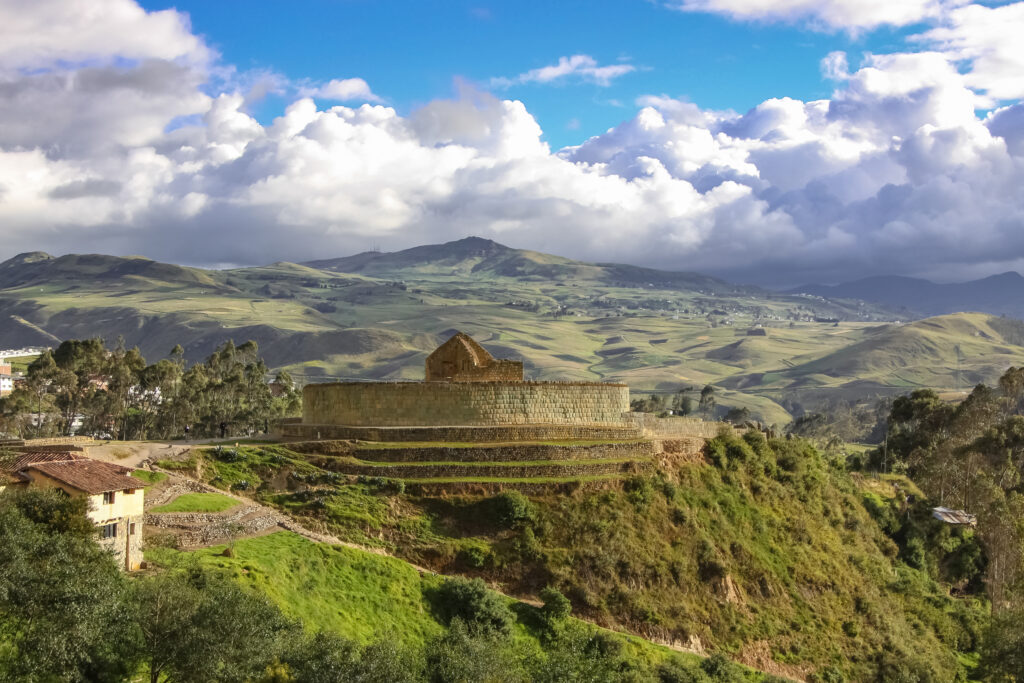
History of Ingapirca. Why Is it important?
Ingapirca, situated amidst the stunning landscapes of the Cañar Province in Ecuador, stands as a testament to the rich tapestry of history woven into the Andean region. Originally inhabited by the indigenous Kañari people, this archaeological gem later became a pivotal Inca settlement, embodying centuries of cultural exchange and human ingenuity.
At the heart of Ingapirca lies the awe-inspiring Temple of the Sun, a sacred edifice that once echoed the rituals and ceremonies of ancient civilizations. Surrounding the temple are ceremonial platforms and other architectural marvels, each whispering tales of bygone eras and the resilience of the human spirit.
Today, visitors to Ingapirca have the opportunity to embark on a journey through time, delving into the mysteries of the past while marveling at the architectural prowess of the Kañari and Inca peoples. Guided tours offer insights into the site’s significance as a religious, political, and military center, while interpretive signs and museum exhibits provide context to the artifacts unearthed from its hallowed grounds.
Ingapirca stands as a beacon of cultural heritage, inviting travelers to connect with the vibrant history of the Andean highlands and gain a deeper appreciation for the civilizations that once flourished in this breathtaking landscape. With each step taken amidst the ancient ruins, visitors are transported to a world where the echoes of the past resonate with the promise of discovery and enlightenment.

 English