
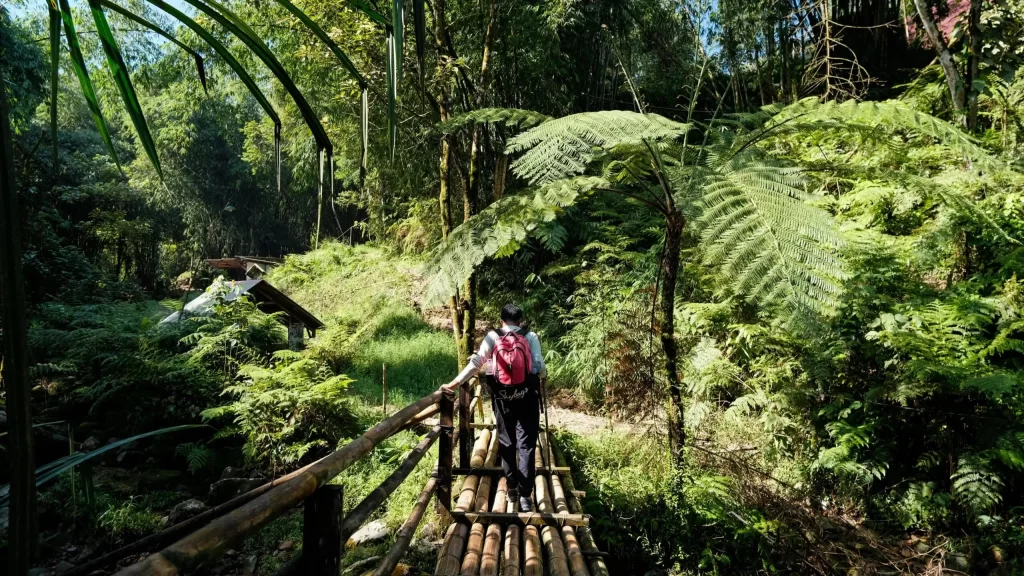

Responsible tourism in south america is a way of traveling that aims to minimize negative impacts on the environment and local communities, promoting respect for culture, biodiversity, and sustainable development. In South America, a region rich in diverse ecosystems and ancestral traditions, this practice is essential to ensure the preservation of its natural resources and the well-being of the populations that depend on tourism.

The importance of responsible tourism in South America lies in several factors. The region is home to some of the world’s most fragile and biodiverse ecosystems, such as the Amazon rainforest, the Andes, the Chaco, and the Pacific islands. However, poorly managed tourism activities can cause irreversible damage. Moreover, many local communities rely economically on tourism, and fostering sustainable business models not only allows them to preserve their traditions but also helps improve their quality of life without compromising their resources. In addition, responsible tourism contributes to climate change mitigation by promoting practices that reduce carbon footprints and encourage environmental respect.
For instance, according to Green Destinations, a Dutch foundation that supports responsible tourism globally, several South American destinations have stood out in sustainability. As a result, they appeared in the “Sustainable Top 100” of 2021 (Green Destinations, 2021).In this ranking, five of the top ten destinations in Latin America belong to countries that are part of our Responsible Travel offerings:
Isla Grande de Chiloé, Chile:
A destination that combines biodiversity with culture, where its UNESCO World Heritage churches and Chiloé National Park offer an authentic connection with nature and local history (UNESCO, 2021).

Madidi National Park, Bolivia:
One of the most biodiverse areas in the world, with vast ecosystems and strict conservation efforts protecting thousands of species (Green Destinations, 2021).

Galápagos Islands, Ecuador:
With 98% of its territory protected, this archipelago has been a model of sustainable tourism, balancing conservation with regulated tourism activities (UNESCO, 2019).

Colca Canyon, Peru:
An impressive canyon that preserves pre-Hispanic traditions and fosters community-based and ecological tourism (Peruvian Ministry of Culture, 2020).

Otún Quimbaya, Colombia:
A protected area that limits tourist access to preserve its ecosystem, promoting respect for biodiversity and local culture (Colombian National Natural Parks, 2021).

Practical Recommendations for More Sustainable Tourism
To contribute to responsible tourism in South America, here are some key recommendations:
- Choose sustainable accommodations: Look for hotels and lodges with eco-certifications and responsible practices.
- Support local communities: Buy artisanal products, eat at local restaurants, and participate in activities that directly benefit the population.
- Minimize your environmental impact: Reduce plastic use, respect conservation rules, and follow park and reserve guidelines.
- Use sustainable transportation: Prefer public transport, bicycles, or walking instead of motorized vehicles.
- Respect biodiversity: Do not feed or disturb animals, and avoid purchasing products made from endangered species.
Responsible tourism is key to the future of the industry in South America. The region is home to some of the most stunning destinations on the planet, and their protection depends on the implementation of sustainable practices.
Traveling consciously, supporting local communities, and respecting the environment are essential actions to ensure that these natural and cultural wonders remain accessible for future generations.If you want to learn more about sustainable destinations and how to travel responsibly, we invite you to visit Responsible Travel South America and explore the list of sustainable destinations on Greentology.

 English