


Exploring Galapagos in November: Wildlife Encounters and Natural Wonders
November in the Galapagos Islands marks a time of transition as the archipelago moves from the cool, dry season to the warmer, wetter season. This transitional period brings unique opportunities for travelers to experience a blend of diverse wildlife, lush landscapes, and favorable weather conditions. From mesmerizing marine encounters to captivating terrestrial explorations, November offers a rich tapestry of experiences for visitors eager to immerse themselves in the natural wonders of the Galapagos.
As the Galapagos Islands awaken to the arrival of November, a sense of anticipation fills the air. With the changing seasons, new life emerges both on land and in the surrounding waters, creating a dynamic ecosystem teeming with activity. From iconic species like giant tortoises and blue-footed boobies to elusive marine creatures such as hammerhead sharks and Galapagos penguins, this month presents an unparalleled opportunity to witness the wonders of evolution up close.
In summary, November in the Galapagos Islands offers a unique blend of wildlife encounters, favorable weather conditions, and diverse ecosystems waiting to be explored. Whether snorkeling alongside colorful marine life, trekking through lush highlands, or marveling at the intricate behaviors of endemic species, visitors to the Galapagos can expect an unforgettable journey filled with unforgettable moments and unparalleled natural beauty.
Exploring Galapagos in November: A Comprehensive Guide
Overview:
November marks a transitional period in the Galapagos Islands as the cool, dry season merges into the warmer, wetter season. Despite this transition, visitors can expect favorable weather conditions, vibrant wildlife sightings, and unique experiences across the archipelago. Whether you’re drawn to the enchanting underwater world or eager to witness the captivating behaviors of endemic species, November offers a myriad of opportunities for unforgettable adventures in the Galapagos.
Galapagos Weather and Travel:
In November, air temperatures range from 66 to 78 degrees Fahrenheit (19-26 Celsius), with water temperatures averaging around 72 degrees Fahrenheit (22 Celsius). The islands experience minimal rainfall, with an average of just 0.2 inches (1 centimeter). As the southeast Tradewinds weaken, sea conditions become calmer, making it an ideal time for snorkeling and diving. Additionally, November offers excellent visibility underwater, perfect for observing the diverse marine life that inhabits the Galapagos waters. While the Thanksgiving holiday in the U.S. can lead to increased tourism, the rest of November remains relatively uncrowded, presenting an opportune time to explore the islands at a leisurely pace.
Galapagos Wildlife Encounters:
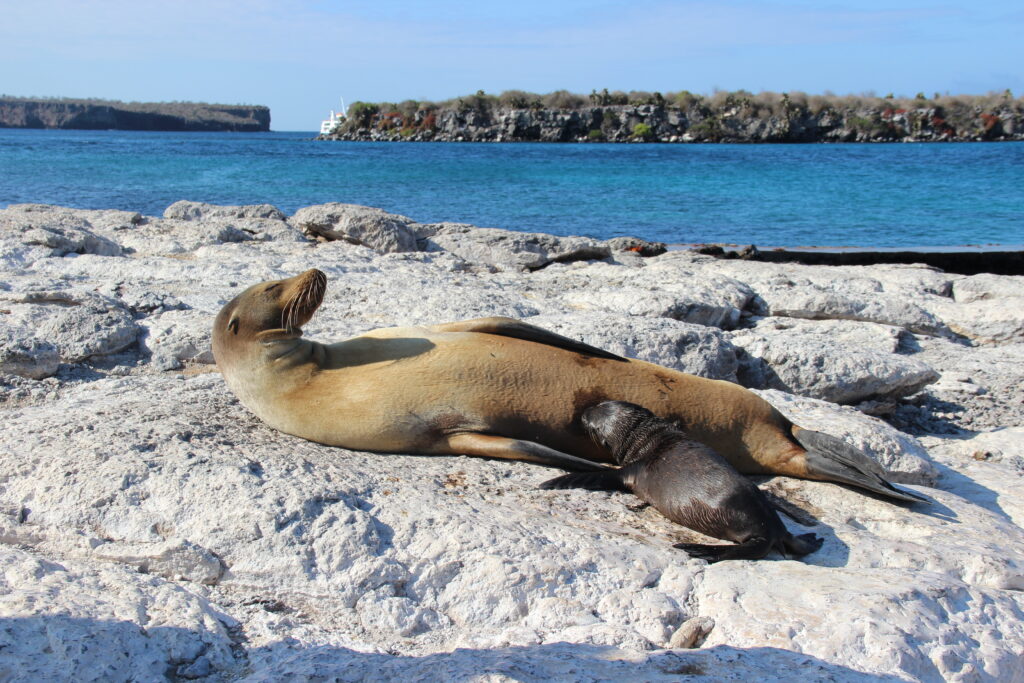
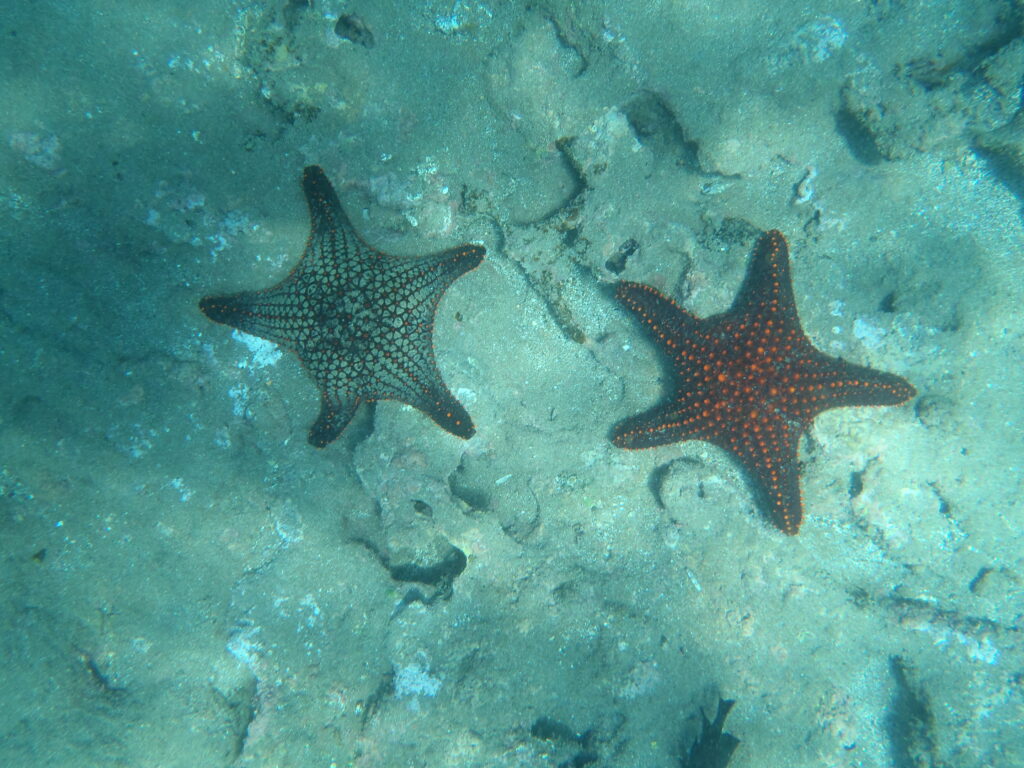
November brings a flurry of activity to the Galapagos wildlife scene. Sea lions become increasingly active, particularly on the eastern islands, as breeding season commences. Meanwhile, brown noddies begin their breeding rituals, and band-rumped storm petrels embark on their second nesting period. Snorkelers may encounter playful sea lion pups, especially around Champion Islet, providing delightful underwater interactions. Additionally, the waters teem with marine species, including sea turtles engaging in mating behavior, creating a dynamic and immersive experience for visitors.
Snorkeling Seasons in the Galapagos:
Snorkeling is a highlight of any Galapagos visit, offering opportunities to encounter charismatic marine fauna year-round. The islands boast two distinct snorkeling seasons: warm and cool. From December to May, the warm season prevails, characterized by clear, temperate waters ideal for snorkeling without a wetsuit. In contrast, the cool season, spanning June to November, features cooler, nutrient-rich waters that attract an abundance of marine life. While a wetsuit may be necessary during this period, visitors can still enjoy remarkable snorkeling experiences amidst diverse underwater ecosystems.
Navigating Ocean Conditions:
Ocean conditions in the Galapagos are influenced by seasonal currents, with the cool season often experiencing increased trade winds. While choppy seas may occur during open water crossings, especially on small ship cruises, the proximity of islands typically mitigates rough swells. Travelers sensitive to motion sickness may prefer the warmer months, although proper preparation and awareness of potential swells can ensure a comfortable and enjoyable journey.
Packing Essentials and Practical Considerations:
Packing for a trip to the Galapagos requires careful consideration of weather conditions and activities. Regardless of the season, sun protection is essential, including high-SPF sunscreen, long-sleeved clothing, and hats. For cooler months like November, additional layers and wind protection may be necessary, particularly during open water crossings. Snorkeling gear, including wetsuits, can often be rented aboard cruises, alleviating the need for extensive equipment. By packing strategically and prioritizing essentials, travelers can optimize their Galapagos experience and fully immerse themselves in the natural wonders of the islands.
El Nino and La Nina Impacts:
While El Nino and La Nina events can influence climate patterns in the Galapagos, their effects are complex and unpredictable. These phenomena result from fluctuations in ocean temperatures in the Equatorial Pacific, with impacts extending over months or even years. While travelers need not overly concern themselves with these events when planning their visit, acknowledging their potential influence underscores the dynamic nature of the Galapagos environment and the interconnectedness of global weather systems.
Daylight Hours and Time Zone:
Located near the equator, the Galapagos Islands experience nearly uniform daylight hours year-round, with approximately 12 hours of daylight and darkness. Sunrise and sunset occur between 6:00 am and 6:15 pm, providing ample opportunities to witness the natural beauty of the islands. The Galapagos Time Zone, six hours behind Coordinated Universal Time (UTC), aligns with Central Standard Time in North America, facilitating seamless coordination for travelers.
In Conclusion
November offers an exceptional opportunity to experience the Galapagos Islands in all their splendor. With favorable weather conditions, vibrant wildlife sightings, and fewer crowds, visitors can revel in the unique charm and biodiversity of this iconic destination. Whether exploring the underwater wonders or marveling at the diverse terrestrial ecosystems, November promises unforgettable moments and unparalleled adventures in the Galapagos.

 English